
Queer News. Straight Up.
In 1959, Ella Fitzgerald broke barriers and carved her name into history as the first Black woman to win a Grammy Award. Her groundbreaking achievement paved the way for a more inclusive appreciation of diverse musical talents in an industry that had been largely exclusive. This post delves into Fitzgerald’s Grammy victories, the controversies surrounding racial bias within the Recording Academy, efforts to diversify its membership, the so-called “Grammy Bounce” that artists often experience, and the anticipation regarding Beyonce’s staffing for her ‘Renaissance’ tour. Through an exploration of these topics, we celebrate not only Ella Fitzgerald’s remarkable contributions to music but also the ongoing efforts to foster inclusivity within the recording industry.
What Grammy awards did Ella Fitzgerald win?
Ella Fitzgerald, fondly known as the First Lady of Song, made history at the inaugural Grammy Awards in 1959 by winning two prestigious trophies. She was honored for Best Female Vocal Performance for her enchanting album “Ella Fitzgerald Sings the Irving Berlin Song Book.” Immediately, this recognition thrust Fitzgerald into the limelight, celebrating her unparalleled talent and vocal prowess. Her distinctive voice, capable of both grace and powerful emotion, resonated with audiences around the world and set the gold standard for jazz vocalists.
In addition to her award for Best Female Vocal Performance, Fitzgerald also secured the Grammy for Best Individual Jazz Performance for her masterful take on the song “Ella Swings Lightly.” This accolade underscored her versatility as an artist and her ability to transcend musical boundaries. Both Grammy wins were a testament to her incredible artistry and dedication to her craft, shining a spotlight on her as a pioneering figure in music. Fitzgerald’s victories were not just personal achievements; they symbolized a momentous shift in an industry previously dominated by white artists, marking the beginning of genuine representation for artists of color.
Recording Academy accused of racial bias
Despite milestones like Fitzgerald’s Grammy wins, the Recording Academy has faced persistent accusations of racial bias over the years. Critics argue that the Grammy Awards often favor white artists over more deserving artists of color, leading to disparities in recognition and acknowledgment of diverse talents in the music industry. Numerous artists and industry insiders have voiced concerns about systemic bias, highlighting a troubling pattern of underrepresented minority artists receiving fewer nominations and wins in major categories.
High-profile cases have brought the issue into the mainstream, with some artists choosing to boycott the ceremony or decline nominations altogether in protest. These actions have sparked conversations about the need for the Recording Academy to address inherent biases and implement meaningful reforms. While the Academy has acknowledged these concerns, it has faced challenges in effectively addressing the criticisms and convincing detractors of its commitment to inclusivity and fairness. The ongoing accusations underscore a long-standing struggle for equality in the music industry and the imperative for the Academy to evolve and adapt in the face of changing societal expectations.
Recording Academy works to expand membership
In response to the criticisms and calls for change, the Recording Academy has taken steps to diversify its membership and voting body. Over recent years, the Academy has introduced several initiatives aimed at expanding and democratizing its membership to better reflect the diversity of the music community. These efforts include inviting more women, people of color, and professionals from different genres and backgrounds to join as voting members.
By broadening its membership base, the Academy hopes to gain a wider range of perspectives and foster a more inclusive environment for recognizing musical talent. This initiative is part of the Academy’s larger Diversity and Inclusion Task Force, which seeks to hold the organization accountable and ensure that its practices are representative of the contemporary music scene. While these measures signal progress, some critics argue that real change requires a comprehensive overhaul of the Grammy voting and nomination process. Nonetheless, the Academy’s efforts represent a vital step towards addressing longstanding inequities and creating a more inclusive future for Grammy Awards.
Some artists see a “Grammy Bounce” after winning
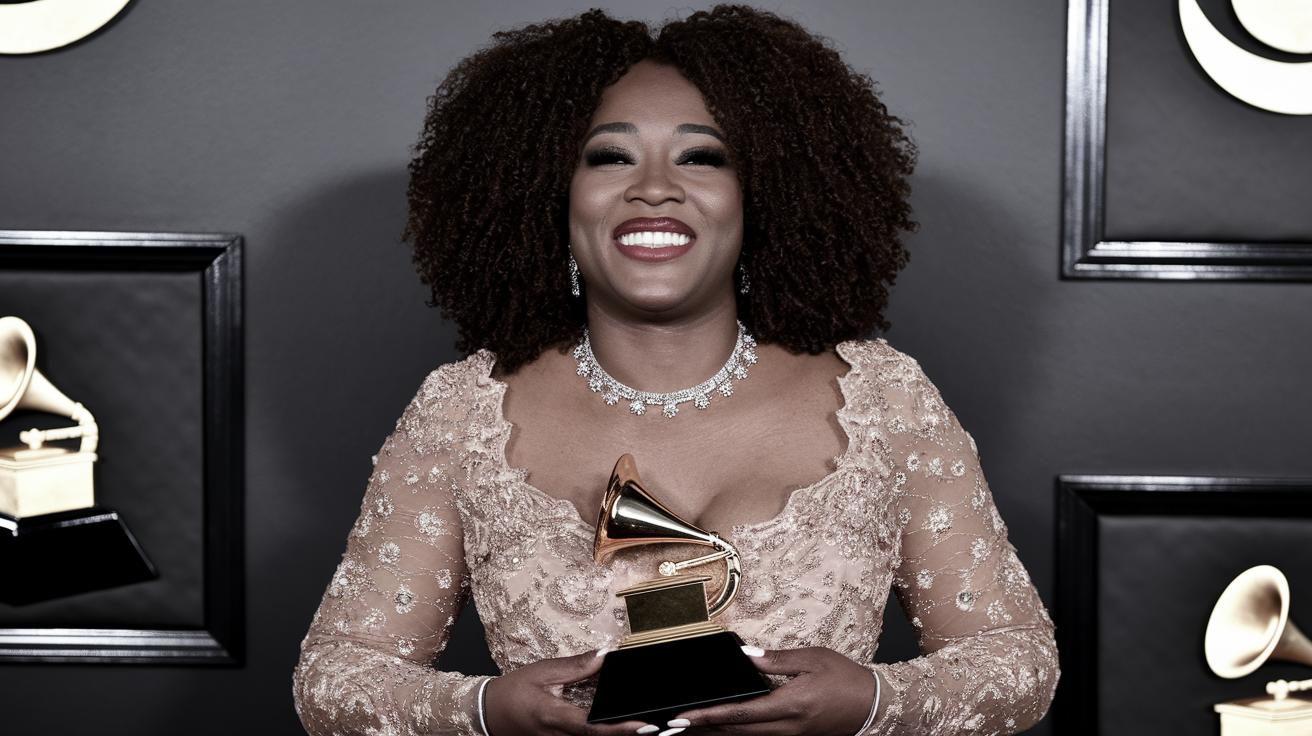
Winning a Grammy isn’t just a prestigious honor; it often results in a tangible boost in an artist’s career, known as the “Grammy Bounce.” This phenomenon refers to the surge in album sales, streaming numbers, and overall popularity that typically follows a Grammy win. Many artists have experienced significant commercial success and heightened public interest stemming directly from their Grammy recognition, helping to solidify their place in the industry and reach new audiences.
The Grammy Bounce is particularly impactful for emergent or lesser-known artists hailed as winners. It can elevate their profile overnight, providing exposure on a global stage and opening doors for new opportunities. With increased demand for live performances and collaborations, a Grammy win can be transformative, offering substantial career advancement and financial growth. However, while the Grammy Bounce underscores the awards’ influence, it also highlights disparities, as not all successful and talented artists have the same opportunities to achieve such a milestone.
Will Beyonce have a new staff for her ‘Renaissance’ tour?
With anticipation building around Beyonce’s upcoming ‘Renaissance’ tour, questions are swirling about potential changes in her tour staff and production team. Known for her meticulous attention to detail and visionary artistry, Beyonce frequently refreshes her creative team to bring innovative and dynamic elements to her performances. As fans await the tour with bated breath, speculation about the composition of her staff and what new experiences they might deliver is at a fever pitch.
Beyonce’s tours are nothing short of spectacular, merging music, dance, fashion, and visual storytelling in a cohesive and inventive manner. Each tour becomes a defining moment in her career, with the potential for groundbreaking transformations in live music production. While the exact lineup of her new staff remains under wraps, expectations are high, and there is eager anticipation that the ‘Renaissance’ tour will push creative boundaries and redefine concert experiences once again. Whatever the direction, it’s clear that Beyonce’s commitment to artistic excellence will guide the process.
Tagged in:
Ella Fitzgerald, Grammy Awards, Recording Academy, Racial Bias, Grammy Bounce, Beyonce, Renaissance Tour, Music Industry
Summary of main points
| Topic | Details |
|---|---|
| Ella Fitzgerald’s Grammy Wins | First Black woman to win, recognized for Best Female Vocal Performance and Best Individual Jazz Performance. |
| Recording Academy Racial Bias | Criticized for favoring white artists; calls for reform and inclusivity. |
| Expansion of Membership | Efforts to diversify the Academy’s membership to reflect the music community’s diversity. |
| Grammy Bounce | Increased career visibility and opportunities following a Grammy win. |
| Beyonce’s ‘Renaissance’ Tour | Speculation about new tour staff, expectations for innovation and excellence. |

