
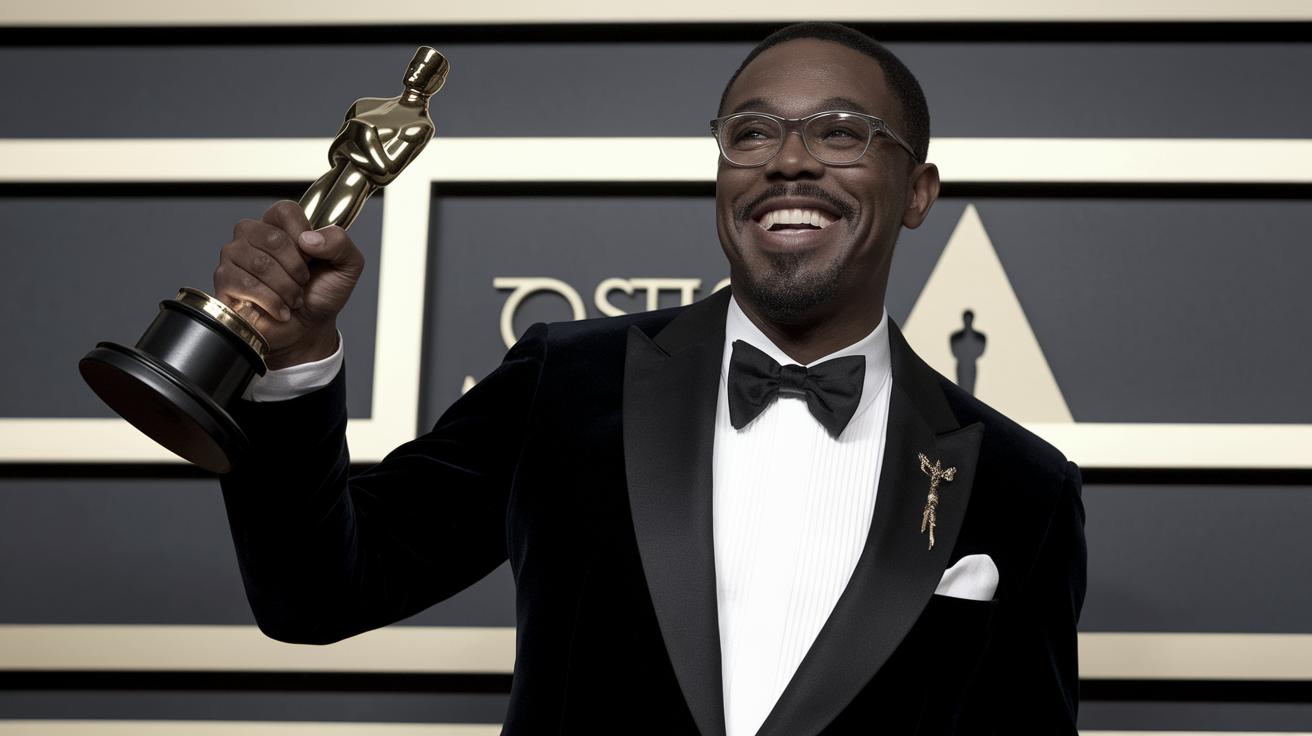
The First Black Actor to Win an Oscar
The journey towards inclusivity and recognition in Hollywood has been a long and often arduous path, marked by significant milestones that have shaped the course of film history. Among these milestones is the pioneering achievement of Hattie McDaniel, the first Black actor to win an Oscar. Her historic win at the 12th Annual Academy Awards in 1940 not only broke racial barriers in the American film industry but also ignited conversations about representation and equality that continue to echo today. This post delves into the significance of McDaniel’s Oscar win, examining the key facts surrounding her achievement, the broader context of race in Hollywood, and the continued efforts towards inclusivity in the film industry.
Topline
In 1940, Hattie McDaniel made history by becoming the first African American to win an Academy Award. Her award-winning performance as Mammy in “Gone with the Wind” represented a landmark moment in cinema. Despite the challenges of the era, McDaniel’s talent shone through, allowing her to break through pervasive racial barriers. This win was not only a personal triumph for McDaniel but also a significant moment for Black actors and actresses who aspired to succeed in an industry dominated by racial prejudice.
McDaniel’s Oscar win was symbolic of the resilience and talent of Black performers who, despite systemic racism, managed to make their mark in Hollywood. Her acceptance speech, delivered at a segregated ceremony, was a powerful testament to the ongoing fight for equality and recognition. The impact of her win reverberated across the industry, providing inspiration for generations of Black artists to come.
Key Facts
Born on June 10, 1893, in Wichita, Kansas, Hattie McDaniel was the youngest of 13 children. She began her entertainment career on radio before moving to the silver screen. Her portrayal of Mammy in “Gone with the Wind” not only earned her an Oscar but also rewards from critical acclaim and public admiration, despite the racial tensions of the time.
The 12th Annual Academy Awards, hosted at the Cocoanut Grove at The Ambassador Hotel in Los Angeles, was a segregated event. McDaniel was seated at a separate table at the far wall apart from her white co-stars. Her win was a profound victory that was sadly overshadowed by the social injustices she had to endure even on such a historic night.
Key Background
The context in which McDaniel won her Oscar was one fraught with racial discrimination both within and outside Hollywood. The film industry rarely offered meaningful roles to Black actors, limiting them to stereotypical and often degrading portrayals. McDaniel once famously quipped, “I’d rather play a maid than be one,” highlighting both her wit and the limited options available to Black actresses at the time.
McDaniel’s win must also be viewed through the larger lens of the civil rights movements that were beginning to take shape. Though her role in “Gone with the Wind” was criticized by some for perpetuating stereotypes, McDaniel’s ability to imbue depth and humanity into her character cannot be understated. Her Oscar win preceded major civil rights milestones and stands as a reminder of the individual and collective struggles faced by Black Americans in their quest for equality.
Further Reading
For those interested in learning more about Hattie McDaniel and the early struggles of Black actors in Hollywood, a number of insightful biographies and academic studies delve deeper into these issues. “The Life of Hattie McDaniel: Her Life, Her Family, Her Career” by Carlton Jackson provides a detailed account of McDaniel’s personal and professional life, offering readers a comprehensive overview of her monumental journey.
Additionally, Donald Bogle’s “Toms, Coons, Mulattoes, Mammies, and Bucks” explores the history of Black performers in American film and is an essential resource for understanding the broader context in which McDaniel’s win took place. These works, alongside documentary films and historical archives, contribute to a fuller understanding of the enduring legacy of Hattie McDaniel and her groundbreaking Oscar victory.
Future Prospects
The legacy of Hattie McDaniel’s Oscar win is both a reminder of the progress that has been made and a call to action for the work that still lies ahead. While her achievement paved the way for future generations of Black actors and filmmakers, systemic issues of representation and opportunity remain prevalent in Hollywood today. As the industry looks towards the future, the push for inclusivity and diversity continues to gain momentum, driven by the undeniable talent and resilience of marginalized voices.
As filmmakers, actors, and audiences advocate for a more equitable landscape, the spirit of pioneers like McDaniel inspires continued efforts towards meaningful change. By honoring her legacy and acknowledging the barriers once faced, the film industry can strive to create a more inclusive space where stories from all backgrounds have the opportunity to shine.
Summary Table
| Aspect | Details |
|---|---|
| Achievement | First Black Actor to Win an Oscar |
| Winner | Hattie McDaniel |
| Role | Mammy in “Gone with the Wind” |
| Year | 1940 |
| Significance | Milestone for Black actors, symbol of resilience, inspiration for future generations |
| Challenges | Segregation, limited roles, racial discrimination |
| Future Prospects | Continued push for diversity and inclusivity in Hollywood |