
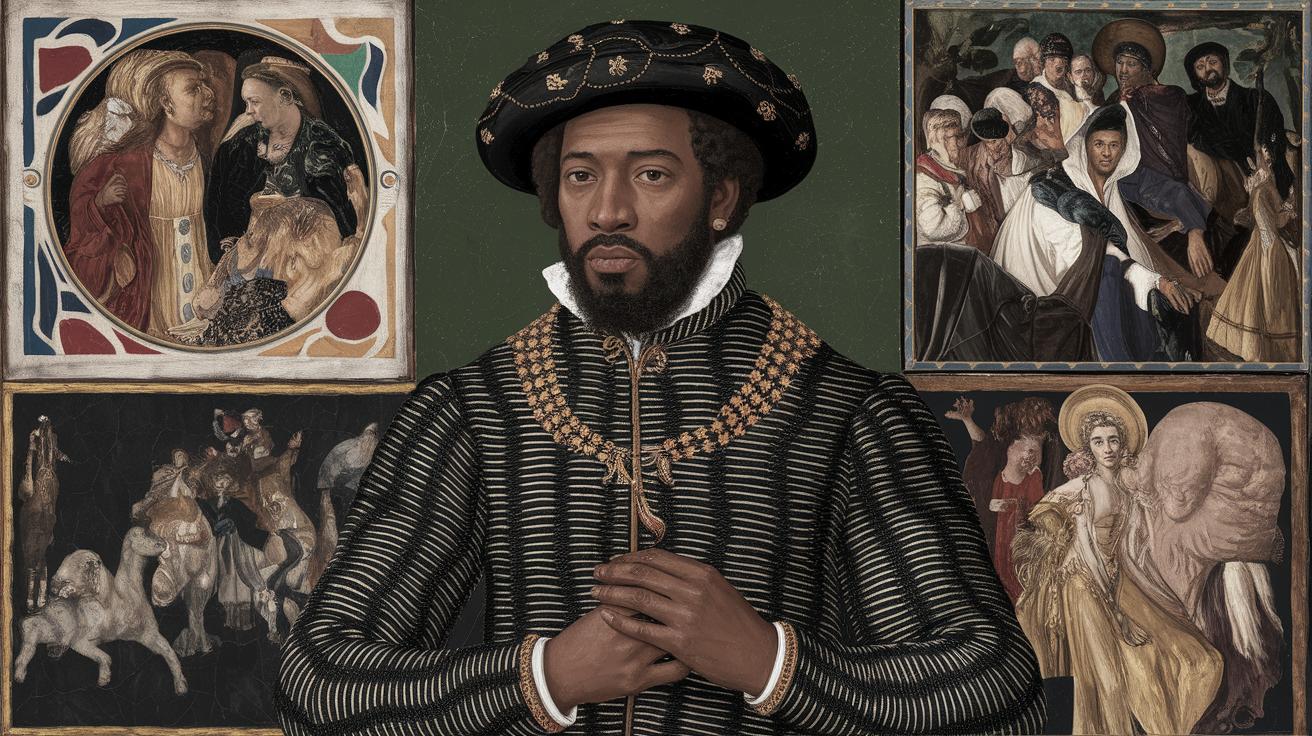
The Black Renaissance Art Aesthetic
In the heart of the 20th century, the Harlem Renaissance emerged as a cultural and artistic explosion, marking a pivotal era for Black artists and intellectuals. This blog post delves into the essence of the Black Renaissance art aesthetic, exploring its historical roots, social context, and diverse disciplines. We will examine how visual arts flourished during this period, leaving a lasting legacy that continues to inspire. By understanding the Harlem Renaissance, we gain insight into the transformative power of art in bridging past and future. You’ll also find resources to deepen your knowledge, FAQs, and a guide to discovering and purchasing contemporary art that echoes this influential movement.
On this Page:
- What was the Harlem Renaissance?
- Historical and Social Context of the Harlem Renaissance
- The Different Disciplines of the Harlem Renaissance
- The Visual Arts of the Harlem Renaissance
- The Legacy of the Harlem Renaissance
- Relevant sources to learn more
- Frequently asked questions about the Harlem Renaissance
- Discover and Buy Art for Sale
What was the Harlem Renaissance?
The Harlem Renaissance was a cultural movement that spanned the 1920s and early 1930s, predominantly taking place in the Harlem neighborhood of New York City. It stood as a beacon for African American cultural expression, intersecting imagination, intellect, and creativity. This epoch was characterized by a profound transformation in the perception of Black identity, as arts and literature played crucial roles in redefining societal narratives around African Americans.
At the heart of this renaissance was a collective endeavour by Black artists, writers, musicians, and intellectuals to use their talents as a form of emancipation and liberation. Their creations were not just artistic expressions but also socio-political commentary, challenging the racial disparities of their time. The Harlem Renaissance was not limited to literature alone; its influence spread across painting, music, theatre, and more, creating a tapestry of cultural richness.
Historical and Social Context of the Harlem Renaissance
The Harlem Renaissance cannot be fully appreciated without considering its historical and social backdrop. After the Great Migration, when millions of African Americans moved from the rural south to the urban north, Harlem became a thriving epicenter of culture and progress. This neighborhood, which was initially imagined as a haven of opportunity, soon turned into an incubator for Black creativity.
The social conditions of the era, including the growing Pan-Africanism movement and the fight for civil rights, laid the groundwork for the Harlem Renaissance. This period of transformation was catalyzed by the desire for greater social equality and racial pride. The Harlem Renaissance echoed these aspirations, reflecting them through bold artistic statements and innovative interpretations of Black life and culture.
The Different Disciplines of the Harlem Renaissance
While literature was at the forefront, other disciplines were just as crucial in shaping the Harlem Renaissance’s aesthetic. Music, particularly jazz and blues, was integral to this cultural awakening, offering a powerful mode of expression for many artists. Figures like Duke Ellington and Louis Armstrong created music that resonated with the struggles and triumphs of African American life.
Theatre also saw a revival, with works challenging racial stereotypes and exploring complex narratives around the Black experience. Harlem’s Apollo Theater became a legendary stage for performers to rain their voices. Dance, painting, and sculpture, similarly, served as vital platforms through which African American creators communicated their experiences and visions, adding a multifaceted depth to this transformative era.
The Visual Arts of the Harlem Renaissance
The visual arts were pivotal in the Harlem Renaissance, providing images that celebrated Black culture while confronting racial injustice. Artists like Aaron Douglas, known as the “father of Black American art,” played a major role in defining this aesthetic. His modernist depictions combined African imagery with contemporary themes, crafting a narrative of both struggle and empowerment.
Works by artists such as Jacob Lawrence and Augusta Savage illustrated the narratives of African American life and the fight for civil rights, capturing both the vibrancy and challenges of Black communities. The artistic techniques utilized during this time – bold colors, dynamic compositions, and thematic diversity – underscored the renaissance’s mission to redefine and reclaim cultural identity through art.
The Legacy of the Harlem Renaissance
The legacy of the Harlem Renaissance endures today, evident in the continued reverberations of its artistic advances and cultural ideologies. This movement laid the groundwork for subsequent Black art and literary movements, including the Civil Rights Movement and the Black Arts Movement of the 1960s and 1970s. The principles that emerged during the renaissance paved the way for future generations of Black artists and thinkers.
Today, the influence of the Harlem Renaissance can be seen in myriad forms, from music and visual arts to literature and fashion. Its vision of a world in which Black culture and creativity are celebrated continues to inspire contemporary creators. As we reflect on this period, we acknowledge its crucial role in shaping not only African American history but the cultural tapestry of America as a whole.
Relevant sources to learn more
To gain a deeper understanding of the Harlem Renaissance, several sources provide invaluable insights. Books such as “When Harlem Was in Vogue” by David Levering Lewis and “The New Negro: Voices of the Harlem Renaissance” edited by Alain Locke are foundational texts. For compelling narratives and stories, “Their Eyes Were Watching God” by Zora Neale Hurston offers a literary masterpiece that captures the essence of the era.
Online resources, including Smithsonian’s National Museum of African American History and Culture and the Schomburg Center for Research in Black Culture, offer extensive collections and exhibits. These platforms provide historical context and visual archives that illuminate the period’s artistic achievements and social impact.
Frequently asked questions about the Harlem Renaissance
What triggered the Harlem Renaissance?
The Harlem Renaissance was catalyzed by the Great Migration, where African Americans sought better opportunities in the North, and the socio-political desire for racial equality and self-expression.
Why is the Harlem Renaissance important?
It signified a rebirth of African American arts and culture, laying a critical foundation for future Civil Rights movements and contributing to a more profound understanding of Black identity in America.
Discover and Buy Art for Sale
For art enthusiasts looking to own a piece of this cultural legacy, numerous galleries and online platforms feature works by artists inspired by the Harlem Renaissance. Websites like Artsy and Saatchi Art showcase a plethora of pieces that capture the spirit of this influential era.
By purchasing art that reflects the aesthetic and themes of the Harlem Renaissance, collectors not only support contemporary artists but also participate in the narrative of cultural and artistic continuity. Be it through paintings, sculptures, or mixed media, the art inspired by this period remains a compelling testament to its historic impact and ongoing relevance.
Future Prospects
|
Section |
Summary |
| What was the Harlem Renaissance? | A cultural movement marking a transformative era for Black artists and intellectuals in the early 20th century. |
| Historical and Social Context | Shaped by the Great Migration and a desire for racial equality, setting the stage for cultural expression. |
| Disciplines of the Renaissance | Encompassed literature, music, theatre, visual arts, and more, each contributing to the movement’s richness. |
| Visual Arts | Artists expressed cultural identity and social injustice through dynamic compositions and bold expressions. |
| Legacy | Enduring influence on subsequent movements and modern culture, celebrating Black creativity and identity. |
| Sources and Resources | Books and online platforms offer extensive insights into the Harlem Renaissance’s history and impact. |

