
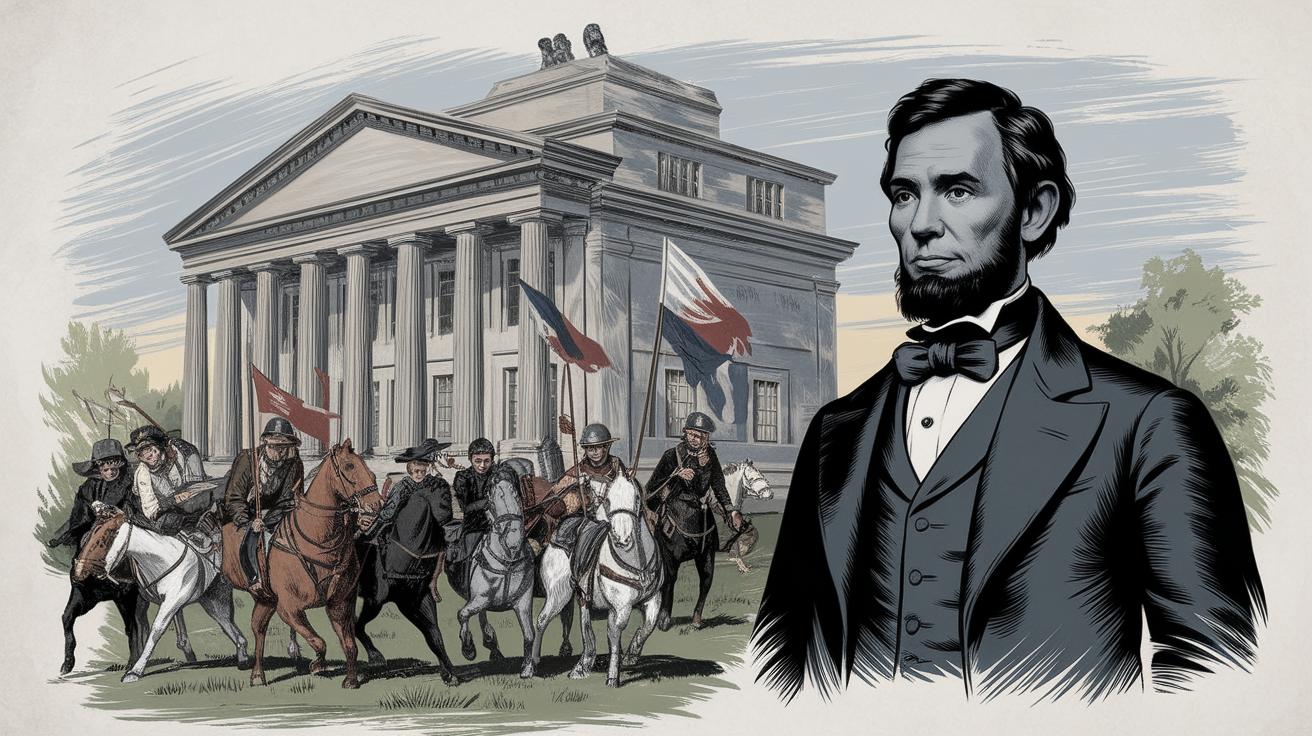
Frederick Douglass and the Fight for African American Enlistment in the Civil War
The Civil War was a defining moment in American history, not only due to its battle over the Union and states’ rights but also because of its significant implications for African Americans. Frederick Douglass, an outspoken abolitionist and former slave, played a crucial role in convincing President Abraham Lincoln to allow black men to fight in the Union Army. This blog explores the multifaceted reasons behind Douglass’s relentless advocacy and his efforts to bring African American soldiers into the forefront of the war effort. By doing so, Douglass helped shift the tide of the war and laid a foundation for the broader struggle toward racial equality and civil rights.
A war undertaken and brazenly carried for the perpetual enslavement of the colored men, calls logically and loudly for the colored men to help suppress it.
In his passionate plea, Frederick Douglass highlighted the glaring contradiction of fighting a war purportedly about freedom, while excluding the very people whose freedom was at stake. He argued that a war aimed at abolishing slavery should naturally include those who are enslaved as active participants. To Douglass, allowing black men to fight was not only a strategy for military advantage but also a moral imperative. Enlistment offered African Americans a direct means to fight for their own liberty and to demonstrate their loyalty and commitment to the Union cause.
Douglass’s perspective was steeped in the notion that African Americans would not only gain immediate military value but establish deeper claims to citizenship and equal rights. By participating in the war, black men could disprove prevalent racist stereotypes of inadequacy and inferiority. Douglass understood that military service could provide a platform for African Americans to prove their valor and thereby claim the rights and privileges owed to them as Americans.
Back to Frederick Douglass Heritage Homepage
The legacy of Frederick Douglass extends far beyond his wartime efforts. His influence permeates numerous facets of American history, reaching beyond the Emancipation Proclamation and the Civil War. By reflecting on his contributions, the Frederick Douglass Heritage Homepage serves as a gateway to understanding Douglass’s extensive work as an orator, writer, and social reformer, tirelessly advocating for justice and equality.
Visitors can explore his speeches, writings, and the pivotal moments that defined his life. Douglass remains a beacon for those who seek to understand the intricate dynamics of race, citizenship, and social change in America. His advocacy continues to inspire ongoing discussions on racial equality and justice in contemporary society.
Find us on…
Engage with the ongoing conversations about the impact of Frederick Douglass and the roles of African Americans during the Civil War on various social media platforms and online communities. Platforms such as Twitter, Facebook, and Instagram offer vibrant forums for users to share historical insights, discuss Douglass’s legacy, and participate in events honoring African American contributions to history.
Digital archives and forums further facilitate deeper understanding and collaboration among enthusiasts, scholars, and activists. These platforms provide a space for continued education and dialogue about the continuous evolution of African American rights and history.
The Decatur House Slave Quarters
The Decatur House in Washington D.C. offers a critical lens into the lives of slaves during the early 19th century. As one of the few remaining slave quarters in the nation’s capital, it tells a poignant story of the children, men, and women who lived and toiled there. These quarters remind us of the realities of slavery that Douglass vehemently opposed.
Exploring such historical sites helps contextualize the push for African American enlistment in the Civil War, illuminating the paths taken to secure freedom and citizenship. These stories of confinement and liberation are deeply intertwined with the broader narrative of the Civil War and the role individuals like Douglass played in altering its course.
African Americans Enter Abraham Lincoln’s White House, 1863-1865
The entrance of African Americans into Abraham Lincoln’s White House marked a transformative period during the Civil War era. This decisive shift symbolized a new level of recognition and involvement in the nation’s highest political sphere, with Douglass playing a pivotal role in advocating for this inclusion.
Highlighting the emergence of black leaders and advocates within the Union’s political and military circles, Douglass’s efforts to integrate these groups were instrumental in shaping policies that shifted toward equality and inclusion. This period laid a foundation for future African American political participation and representation.
Paul Jennings
Paul Jennings, an enslaved African American who served President James Madison, stands as a figure of historical intrigue. Jennings’s memoir offers one of the earliest accounts from a White House insider’s perspective on life during that period. His stories echo the experiences of countless African Americans who bore witness to the struggle for freedom and equity.
Stories like Jennings place African American voices at the center of historical narratives, encouraging a richer understanding of their contributions and struggles. The courage and resilience of figures like Jennings resonate with Douglass’s own fight for recognition and rights for African Americans in the broader societal framework.
Enslaved and Entrenched
The deeply entrenched institution of slavery in American society was a formidable barrier that Douglass worked tirelessly to dismantle. His battle for African American enlistment was a strategic move against such entrenched societal norms, aiming to afford black Americans both immediate and long-term socio-political advantages.
Addressing the complexities of deconstructing such a deeply embedded system required concerted efforts from Douglass and his contemporaries. It included redefining what it meant to be an American, particularly for those whose very humanity was constantly denigrated. Their fight, grounded in courage and persistence, continued to unravel the heavy shackles of systemic oppression.
“The Back Building”
Located on the grounds of the White House, “The Back Building” served as a quarters for slaves, offering a historical reminder of the stark contradictions between the ideals of freedom and the realities of enslavement. Frederick Douglass’s advocacy sought to dismantle these contradictions by integrating African Americans into the broader narrative of the nation’s fight for freedom.
This building, alongside others, stands as a testament to the journey from bondage to enfranchisement. Douglass’s vision extended beyond emancipation, setting the grounds for African Americans to be active contributors and equal citizens in the nation’s development and governance.
Eliza McCardle Johnson: Conflicting Memories and Vanishing Evidence of the Enslaved Past
Eliza McCardle Johnson’s historical narrative offers a glimpse into the complexities of remembering and reconciling the enslaved past in American history. Conflicting memories and narratives often obscure the lived experiences of those enslaved and the profound societal changes that followed their emancipation.
Douglass’s work stands in contrast to these conflicted memories, as he asserted the need for clear recognition and documentation of the contributions and struggles of African Americans. His public efforts highlighted an essential aspect of historical discourse that works to preserve and honor these stories, offering clarity amid the shadows of history.
Emancipation Day in Washington, D.C.
Emancipation Day remains a significant symbol of African American freedom and resilience, embodying the core principles Douglass fought for throughout his life. Celebrated annually, it marks the abolition of slavery in the nation’s capital and signifies the beginning of new freedoms, personal agency, and societal restructuring.
This day provides a lens into Douglass’s legacy, commemorating those who have fought and continue to fight for equality. Embracing these celebrations helps foster collective memory and encourages the sustained pursuit of civil rights and social justice.
Slavery and French Cuisine in Jefferson’s Working White House
The cultural intersections of slavery and French cuisine in Jefferson’s White House reveal the profound adaptability and skill of enslaved African Americans, who were pivotal in shaping America’s culinary and cultural landscape. These intersections, however, stand in stark contrast to the pursuit of freedom and recognition fought for by Douglass and his contemporaries.
Although built upon the foundation of slavery, the contributions of African Americans in this domain underscore their resilience and ingenuity. Douglass’s advocacy for enlistment was, in part, about highlighting these overlooked contributions and demanding recognition for African Americans as fully realized citizens contributing to the nation’s prosperity.
From the White House to Freedom on the Underground Railroad
Frederick Douglass’s involvement with the Underground Railroad underscores his commitment to African American freedom and navigating those perilous paths to liberation. From the shadows of the White House to the clandestine routes leading to freedom, Douglass forged connections and networks that were instrumental in the abolitionist movement.
Douglass’s engagement in these efforts highlighted the courage and tenacity required to challenge the institution of slavery. His leadership in these covert operations emphasized his strategic vision of facilitating broader social change and setting a precedent for collective solidarity among African Americans.
Gracy Bradley’s White House
Gracy Bradley, an influential yet lesser-known figure, navigated the intricacies of life at the White House with a unique perspective that highlighted the complex interplay between power, race, and personal agency. Her experiences and contributions align with Douglass’s efforts to assert African Americans’ rightful place in society.
Bradley’s narrative enriches the historical context surrounding Douglass’s mission. Through the lens of individuals like Bradley, we gain insight into the nuanced realities of African Americans’ lives and their steadfast pursuit of freedom and equality in all spheres.
The Enslaved Household of President Andrew Jackson
The lives of those enslaved within President Andrew Jackson’s household shed light on the pervasive nature of slavery within the highest seats of American power. Their stories contribute to a fuller understanding of the systematic frameworks Douglass sought to dismantle through his advocacy for enlistment and equality.
Analyzing these household stories provides rich context for the transformations sought by Douglass and his contemporaries. Understanding these complex layers aids in appreciating the weight and urgency behind Douglass’s calls for African American enlistment in fighting for their freedom and securing their future.
The Complexities of Slavery in the Nation’s Capital
Washington D.C., the epicenter of political power, embodied the contradictions of slavery and freedom. In this city, where freedom should have flourished, the reality was often starkly different. Frederick Douglass recognized these complexities and strategically advocated for African American enlistment as a means to challenge and transform them.
The nation’s capital stands as a powerful symbol of the enduring struggle for civil rights, a struggle that Douglass keenly perceived. His foresight and advocacy were crucial in shaping a narrative of resilience and activism that continues to inspire movements for equality and toward a future devoid of such complexities.
Footnotes & Resources
To delve deeper into Frederick Douglass’s profound legacy and the significant journey of African American soldiers during the Civil War, numerous resources offer comprehensive insights. Books, digital archives, and scholarly articles present detailed examinations of these historical narratives, providing a wealth of information for further exploration and understanding.
Share
Help spread the knowledge and significance of Frederick Douglass’s advocacy by sharing this article with friends, family, and fellow history enthusiasts. Together, we can keep alive the important discussions surrounding African American contributions in the Civil War and their continued impact on current societal dynamics.
Related
Continue exploring related topics and narratives that deepen your understanding of the Civil War, the abolitionist movement, and African American history. Engaging with these subjects broadens perspectives and fosters enriched dialogues on equality, justice, and historical representation.
You Might Also Like
Dive into more stories and discussions about historical figures, events, and movements that not only shaped the past but also influence the present. These narratives remind us of the power of perseverance, advocacy, and communal action in the ongoing pursuit of justice and equity.
Future Prospects
| Aspect | Content |
|---|---|
| Douglass’s Advocacy | Outlined the moral and strategic necessity for African American enlistment in the Civil War. |
| Cultural Contributions | Emphasized the overlooked roles of African Americans in shaping societal culture and narratives. |
| Historical Reflections | Provided insight into the lives and struggles of individuals who bridged the echoes of the past with future aspirations. |
| Legacy and Impact | Recognized the enduring influence of Douglass and related figures in shaping American history and advancing civil rights. |

