
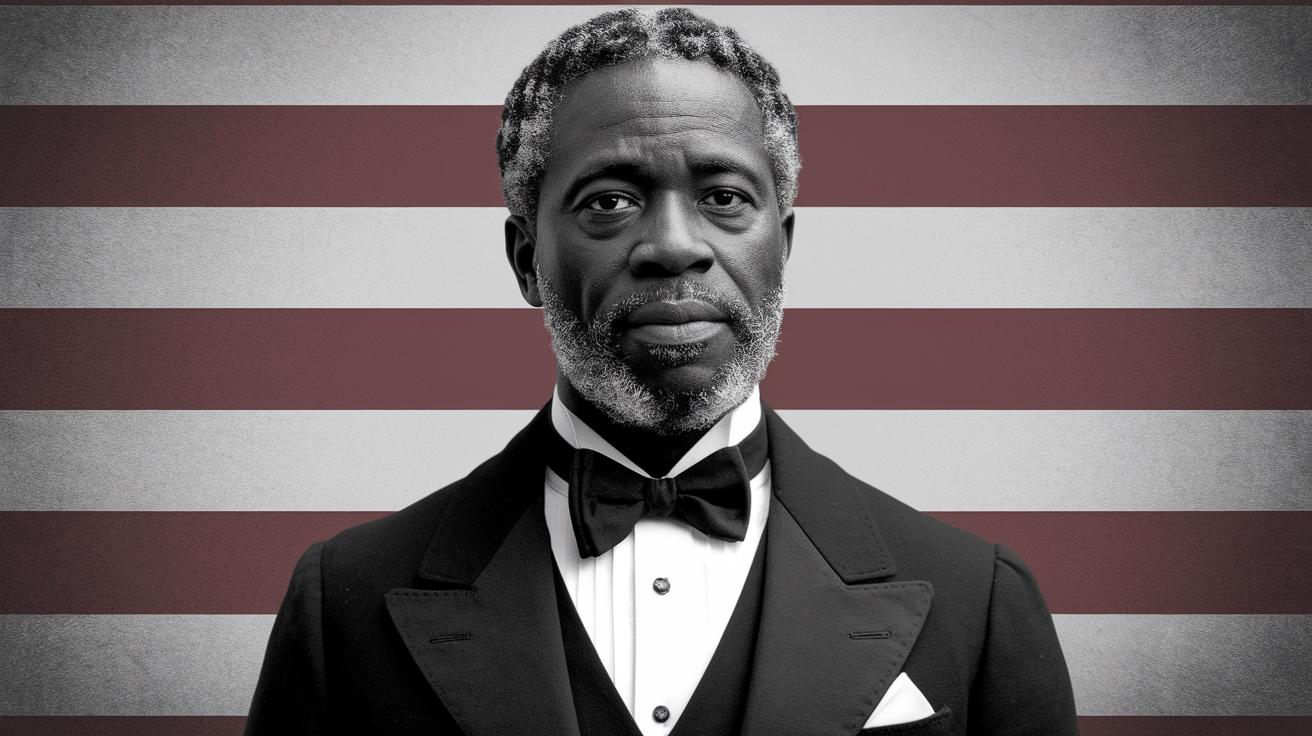
The Journey to Voting Rights for Black Americans
The history of voting rights for Black Americans is a testament to their resilience and the ongoing struggle against systemic oppression. This article delves into the pivotal moments and legislative milestones that shaped voting rights in the United States, emphasizing the contributions and sacrifices made by countless activists. We will explore the significance of the 15th Amendment, the transformative impact of the Voting Rights Act of 1965, and the various challenges that persist. While progress has been made, the continuous fight for equitable voting rights reminds us that this struggle is far from over. Join us as we uncover this crucial part of American history, highlighting the progress made and the ongoing battles that shape the quest for true democracy.
The right to vote, regardless of race
The journey to securing the right to vote for Black Americans began long before the Civil War. The ratification of the 15th Amendment to the United States Constitution in 1870 marked a significant milestone in this journey. It stated that the right to vote should not be denied or abridged by the United States or any state on account of race, color, or previous condition of servitude. This amendment aimed to eradicate racial discrimination in voting, providing newly emancipated African Americans with a legal framework to exercise their rights.
However, the promise of the 15th Amendment was met with vehement resistance. Despite its clear language, many Southern states enacted Jim Crow laws that effectively disenfranchised Black voters through mechanisms like literacy tests, poll taxes, and understanding clauses. These discriminatory practices limited access to the ballot and perpetuated racial inequities, leading to a sharp decline in Black voter registration and participation throughout the early 20th century.
Provisions of the Voting Rights Act
The Voting Rights Act of 1965 emerged as a landmark piece of federal legislation, addressing the systemic barriers assiduously placed to obstruct Black Americans’ access to the vote. Signed into law by President Lyndon B. Johnson, the Act aimed to strengthen voting rights by prohibiting racial discrimination in voting nationwide. It empowered the federal government to oversee and intervene in state and local elections where discriminatory practices were prevalent.
The Act’s most notable provisions included the suspension of literacy tests and other discriminatory devices, the requirement for jurisdictions with significant minority populations to receive preclearance from the federal government before implementing changes to voting laws, and the deployment of federal examiners and observers to enforce voting rights. These measures radically increased voter registration and participation rates among Black Americans, fundamentally shifting the political landscape in the South and bolstering minority representation.
Safeguarding the rights of Black Americans and other minorities
In the wake of the Voting Rights Act, Black Americans, along with other marginalized communities, began to see a gradual but significant increase in political power. The Act catalyzed a new era of political engagement and representation, allowing more African Americans to hold public office and influence policy decisions. However, the struggle to protect and expand these rights continued, as opponents sought to circumvent the Act’s provisions through various legal and political maneuvers.
While successful in many regards, the Voting Rights Act faced challenges, particularly in the form of Supreme Court rulings that diluted its authority. The 2013 Shelby County v. Holder decision notably weakened the Act’s preclearance provision, leading to a resurgence of state-level voting restrictions that disproportionately affect minority voters. Such developments underscore the ongoing need for vigilance and advocacy to safeguard voting rights against new forms of disenfranchisement.
The fight to vote continues
Despite the progress made since the Voting Rights Act, the fight for equitable voting rights continues to evolve as new challenges emerge. Attempts to impose strict voter ID laws, curtail early voting, and purge voter rolls disproportionately impact communities of color, necessitating ongoing advocacy and legislative action. Grassroots organizations and civil rights leaders continue to champion for reforms that address these modern-day obstacles.
In recent years, there has been a concerted effort to revitalize the Voting Rights Act and fortify its protections. Proposed legislation, such as the John Lewis Voting Rights Advancement Act, seeks to restore and enhance the preclearance provisions and develop broader protections against voter suppression tactics. The ongoing struggle to secure and extend voting rights for Black Americans and other marginalized groups remains a key issue in the quest for a truly representative democracy.
Next steps
| Era | Milestone | Challenges |
|---|---|---|
| 1870 | 15th Amendment | Jim Crow Laws, Discriminatory Practices |
| 1965 | Voting Rights Act | Supreme Court Rulings, Shelby County v. Holder |
| Today | Ongoing Advocacy | Voter ID Laws, Early Voting Restrictions |