
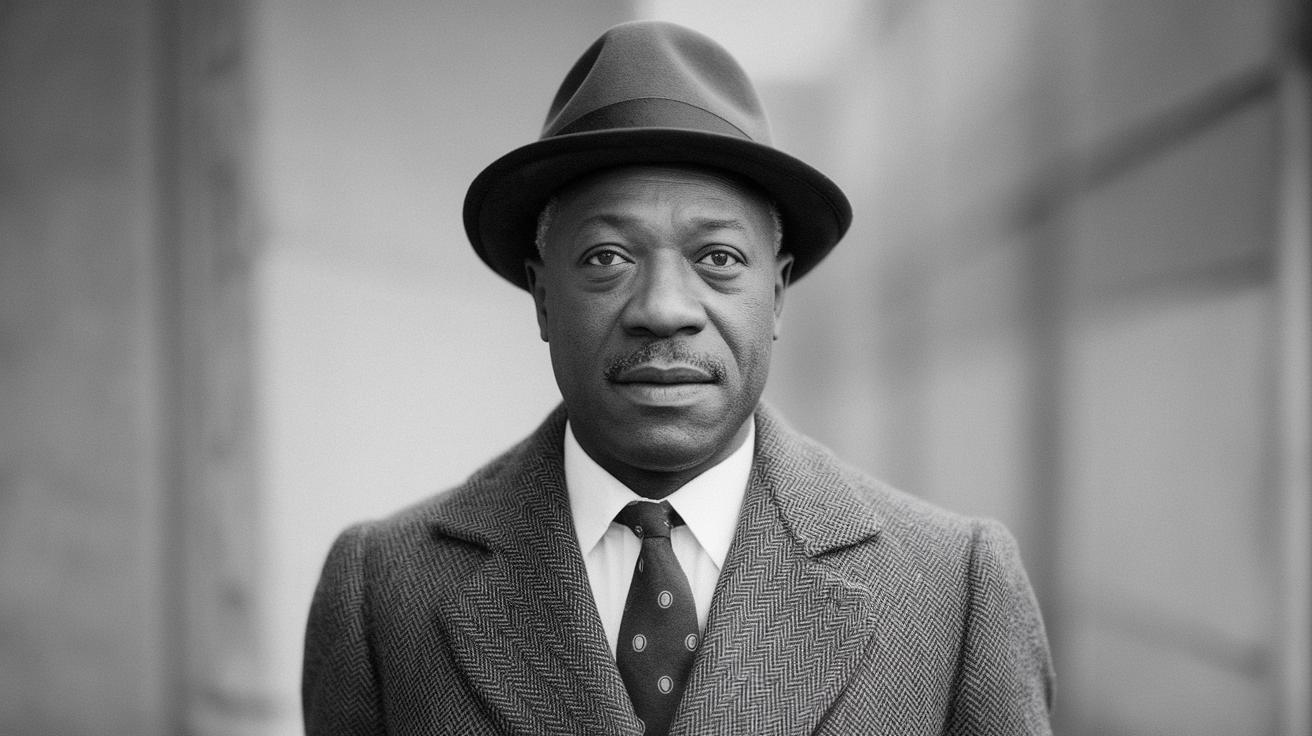
Black People During the Great Depression
Understanding the impact of the Great Depression on black communities in the United States provides valuable insight into the socio-economic challenges and resilience of African Americans during this tumultuous period. This comprehensive guide explores various dimensions of black life in the Great Depression, from economic hardships and racial discrimination to the crucial roles played by individuals and organizations. Teachers can expect to find valuable resources to aid curriculum development, and students will be inspired by stories of perseverance and ingenuity. Additionally, the blog delves into the intersection of these themes with the advent of World War II, creating a narrative that not only explores past struggles but also acknowledges forward momentum.
BACKGROUND
Theme
The theme of racial disparity and economic struggle is prominent when examining the black experience during the Great Depression. As the nation plunged into financial crisis, African Americans faced heightened challenges due to systemic racism and segregation, which further marginalized them economically and socially. By understanding this theme, we can better appreciate how issues of race and class intersected during this period.
Moreover, the resilience demonstrated by black communities during these years highlights a critical aspect of unity and collective action. Despite the oppressive environments, African Americans forged stronger communities, often relying on mutual aid and grassroots organizing to navigate the adversities they faced. Exploring this theme offers a nuanced view of survival and resistance in the face of overwhelming hardship.
Materials and Preparation
To explore the subject effectively, a range of materials such as historical documents, first-person accounts, and visual media will be necessary. Primary sources, including letters, diaries, and news articles of the era, provide authentic insights into the lived experiences of black communities. These materials should be supplemented with scholarly analyses that contextualize the period within broader socio-economic trends.
Preparation involves curating these materials in a manner accessible to both students and educators. This includes creating summaries and annotated bibliographies to guide understanding and discussion. It is essential to ensure that the materials are representative of diverse voices within the black community, covering various geographical regions and socio-economic backgrounds.
Time Period
The Great Depression spanned from 1929 until the onset of World War II in 1939, encompassing a decade of profound financial turmoil that reshaped American life. For black Americans, this period was marked by intensified racial discrimination and economic disenfranchisement, compounded by their exclusion from many New Deal programs due to inequitable policies.
While focusing on this ten-year period, it is also important to understand its precursors and repercussions. The legacy of post-Civil War reconstruction, Jim Crow laws, and the subsequent civil rights movement all interweave with the history of the Depression. Delving into this broader timeframe enriches our comprehension of the systemic challenges faced by African Americans.
Objectives/Activities
Educational objectives should aim to foster an understanding of how the Great Depression uniquely affected black communities, highlighting both adversity and agency. Activities can include analyzing primary documents, conducting comparative studies between different socio-economic groups, and exploring oral histories for powerful personal narratives.
Incorporating project-based learning, such as presentations or multimedia projects, encourages students to engage with the material actively. By synthesizing information and presenting their findings, students develop critical thinking and communication skills. Group discussions and debates can further enrich the learning experience, promoting empathy and diverse viewpoints.
CORE LESSON
The core lesson of this exploration is to illuminate the often-overlooked narratives of black Americans during the Great Depression. A comprehensive understanding requires examining both the systemic barriers and the community’s responses to these challenges. Through this lens, the era is not just one of survival but also of significant contribution to American history and culture.
Engagement with the topic should prompt reflection on contemporary issues of racial and economic justice. Recognizing historical patterns enables students and educators alike to draw parallels to current events, fostering a deeper appreciation for the ongoing struggle for equality and human rights. This lesson goes beyond academic inquiry, serving as a catalyst for informed civic participation and advocacy.
DOCUMENTS
Documents from the Great Depression that illustrate the experiences of black Americans include government reports, personal letters, and articles from black-owned newspapers. These resources offer firsthand accounts of the hardships and discrimination faced during the era, providing invaluable perspectives for study.
Archival collections such as the Library of Congress and the National Archives hold extensive records from this period. Instructors and students can access documents that detail labor strikes, housing conditions, and educational disparities. Such primary sources are crucial for dissecting the socio-political environment of the time, allowing a richer, more personalized understanding of history to emerge.
Key Persons
Key figures during the Great Depression era include leaders like Marcus Garvey, who advocated for black empowerment and self-sufficiency, and Mary McLeod Bethune, who worked tirelessly for educational improvement and civil rights. Their legacies are pivotal for understanding the dynamics of racial advocacy during this period.
Other notable individuals include labor activists A. Philip Randolph and Ella Baker, who organized and mobilized black workers, highlighting the essential role of unions and collective bargaining in striving for economic justice. By studying these leaders, we gain insights into the strategic challenges and triumphs that shaped the civil rights landscape in subsequent decades.
MATERIALS
Essential materials for exploring this topic include a variety of multimedia resources such as documentaries, photographic collections, and audio recordings. These tools aid in creating a more immersive learning experience, allowing students to visualize and hear the era’s realities.
Supplementary readings, academic journals, and biographies provide critical analyses and broader interpretations that enrich classroom discussions. By engaging with diverse resources, educators can construct a multifaceted curriculum that addresses various learning styles and cognitive skills.
Supplemental Activities
Supplemental activities, including field trips to history museums or virtual tours of online archives, deepen engagement with the material. Role-playing exercises and simulation games also encourage empathy and understanding by placing students in historical scenarios, asking them to navigate the complexities faced by black Americans during the Depression.
Creative projects, such as art installations or storytelling competitions, offer students opportunities to express their understanding through artistic means. Embracing varied methods of demonstration stimulates creativity and makes the subject matter personally meaningful.
Annotated Bibliography and Suggested Reading
FOR TEACHERS
Teachers are encouraged to utilize texts such as “The Warmth of Other Suns” by Isabel Wilkerson, which provides a comprehensive account of the Great Migration, and “These Truths” by Jill Lepore, offering a nuanced historical analysis of American history that includes the Depression era.
Another valuable resource is “The African American Experience during the Great Depression” by Cheryl Lynn Greenberg, which specifically addresses the structural and personal challenges faced by black communities. These readings equip educators with a robust foundation for crafting engaging lessons.
FOR STUDENTS
Students might find inspiration and insight in books like “Roll of Thunder, Hear My Cry” by Mildred D. Taylor, a historical novel that portrays the struggles of a black family during the Great Depression. Paired with historical accounts, such readings provide relatable narratives that enhance empathy and understanding.
Additionally, documentary series such as “The Great Depression” from PBS offer visual storytelling that complements textual studies. Access to diverse mediums caters to different learning preferences and aids in reinforcing key themes.
Acknowledgements and Contact Information
Sincere appreciation goes to historians and educators who continually contribute to the body of knowledge regarding African American history and the Great Depression. Their dedication allows for deeper understanding and appreciation of these critical narratives. Readers are encouraged to reach out for further discussion or collaboration.
For inquiries or additional resources, please contact Phil, the author, at [email protected]. Engaging in dialogue with fellow enthusiasts and experts enriches the collective exploration of this profound topic.
World War II
The advent of World War II marked a turning point for African Americans, providing new opportunities and challenges. The war effort led to an increase in industrial jobs in the North and West, and while discrimination still persisted, the labor demand initiated shifts in societal attitudes toward race.
Similarly, the post-war period catalyzed the burgeoning civil rights movement, as returning veterans advocated for equality and justice, keenly aware of the disparities between democracy’s ideals and reality. The combination of war and post-war dynamics set the stage for significant socio-political changes in America.
Lessons Learned
| Heading | Content Summary |
|---|---|
| BACKGROUND | Explanation of the Great Depression’s impact on black communities, themes, and historical context. |
| CORE LESSON | Critical examination of black Americans’ resilience and responses to systemic challenges during the Depression. |
| DOCUMENTS | Primary sources and archives that provide authentic insights into black life during the 1930s. |
| Key Persons | Discussion of influential leaders and their contributions to racial advocacy during the era. |
| MATERIALS | Multimedia resources and educational materials enhancing understanding and engagement. |
| Supplemental Activities | Activities and projects designed to deepen learning and foster empathy. |
| Annotated Bibliography and Suggested Reading | Curated reading lists for teachers and students to support curriculum development. |
| World War II | Exploration of WWII’s impact on African American societal roles and the forward momentum toward civil rights. |