
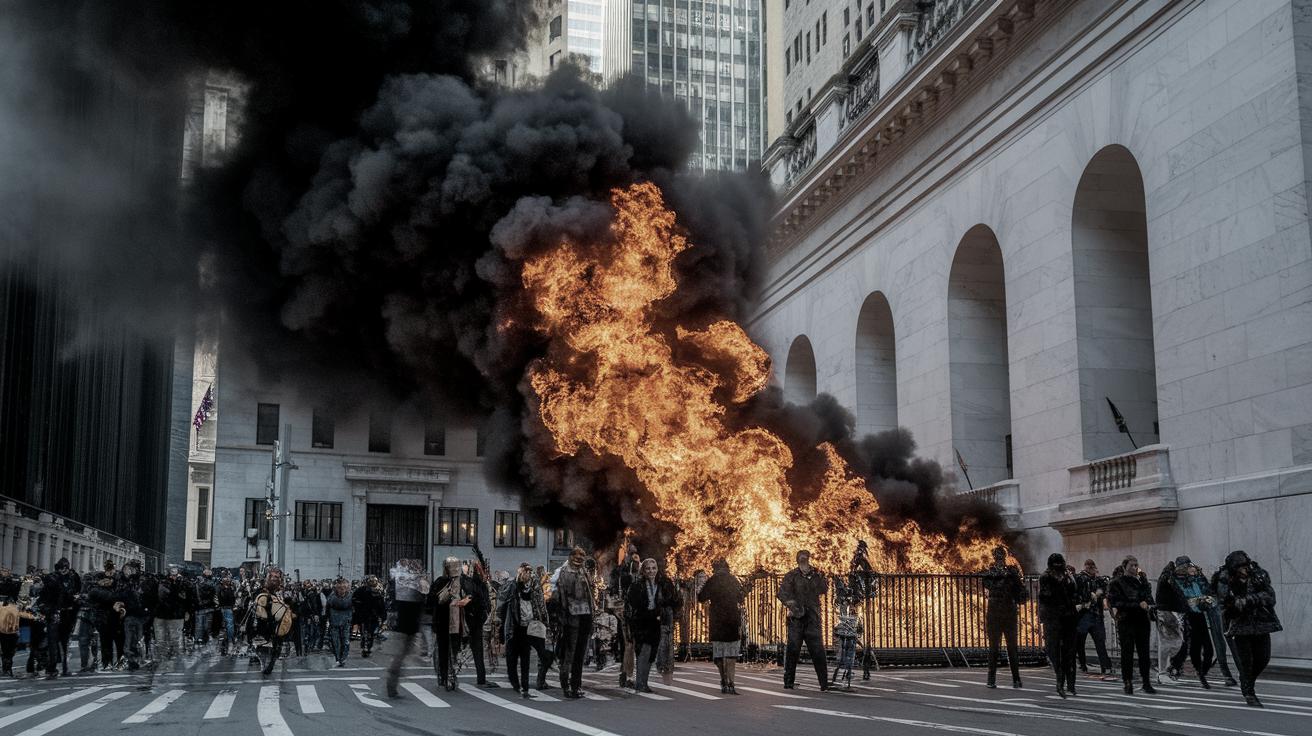
Black Wall Street Burning: A Historical Reflection
The tragic event that unfolded in 1921 on Black Wall Street in Tulsa, Oklahoma, remains a poignant reminder of the racial tensions and economic disparities that marred the early 20th century. This blog post delves into the historical background of Black Wall Street, the thriving African American community it represented, and the devastating attack that led to its downfall. We will explore the funding required to document and preserve this important piece of history, the importance of republishing related statements, and the various sources that continue to shed light on this dark chapter in American history. Furthermore, for those interested in diving deeper into other related historical events, we provide a list of recommended resources and articles for further exploration.
Funding Information
Preserving the memory of Black Wall Street and its significant contribution to African American history requires substantial funding. This funding is necessary for curating exhibits, producing educational materials, and supporting research initiatives. Various organizations, both governmental and non-governmental, have stepped forward to provide grants and donations to ensure that the legacy of Black Wall Street is not forgotten. These funds are also directed towards community initiatives that seek to empower and educate current and future generations about the historical significance of this extraordinary community.
Several philanthropic efforts have successfully gathered resources to support documentary films, research projects, and educational programs. These endeavors aim to not only preserve the past but also address the socioeconomic challenges that descendents of Black Wall Street residents face today. Contributions from diverse sectors ensure a holistic approach to reconstructing and revitalizing the narrative of Black Wall Street, offering a platform for stories that have long been overlooked or silenced.
The complexity of raising funds for such a historical initiative lies in the need to balance educational goals with advocacy for reparative justice. Many stakeholders view the commemoration of Black Wall Street as integral to forging pathways for dialogue on racial equality and economic empowerment. Strategic partnerships with educational institutions, cultural organizations, and tech platforms help to advance these objectives, ensuring sustained interest and financial support.
Republication Statement
One pivotal aspect of disseminating information about Black Wall Street involves the careful curation of statements and documents from that era. Republication of these materials serves as a critical tool in rewriting the narrative and providing authentic voices to a story that has been shrouded in mystery for decades. Editors and historians are tasked with ensuring that these statements are accessible, fact-checked, and contextually aligned with today’s ongoing discussions on race and history.
The ethical considerations of republishing include maintaining the integrity of the original messages while adapting them to resonate with contemporary audiences. Accurate representation of the voices from Black Wall Street helps to highlight the resilience, culture, and economic ingenuity of its inhabitants. As these republications gain traction, they become essential resources for educational curricula and public discourse, helping reshape perspectives on historical narratives.
Organizations involved in the republication efforts are committed to transparency and collaboration with the descendants of Black Wall Street residents. This cooperation ensures authenticity and respect for the nuanced experiences of those who lived through the atrocities, fostering a shared mission of historical accuracy and communal healing.
Sources
To assemble a comprehensive understanding of Black Wall Street and its destruction, a multitude of sources has been referenced. Primary sources such as personal memoirs, newspaper archives, and photographs form the backbone of this research. These materials offer invaluable firsthand accounts that paint a vivid picture of the life, prosperity, and ultimate devastation experienced by the community.
In addition to primary documents, secondary sources, including scholarly articles, books, and documentaries, enrich the narrative by providing analysis and interpretations from various angles. Historians and academics have extensively studied the economic, social, and political implications of Black Wall Street’s downfall, lending scholarly credence to the broader context of racial violence in America.
Digital archives and virtual repositories have also played a crucial role in making these sources readily accessible. Platforms dedicated to the preservation and digitalization of historical records ensure that researchers and the public can engage with these materials efficiently, expanding the reach and impact of Black Wall Street’s story.
Explore Other Articles
As we reflect on the history and impact of Black Wall Street, it is essential to consider connecting narratives and similar events that have shaped American socio-economic landscapes. Readers are encouraged to explore articles that delve into other significant historical events related to racial tensions and economic empowerment, such as the Harlem Renaissance, the Civil Rights Movement, and the Great Migration.
Each of these periods presents a distinct yet interconnected narrative that highlights the struggles and triumphs of African Americans in the pursuit of equality and opportunity. By reading widely and engaging with a spectrum of resources, individuals gain a holistic understanding of the systemic barriers and breakthroughs that define the tapestry of American history.
By broadening the scope of inquiry, readers can better appreciate the complexities of racial history and the enduring quest for social justice. Recommended literature, documentary films, and online resources provide pathways for deeper investigation and reflection, paving the way for insightful discussion and action in the present day.
| Section | Summary |
|---|---|
| Funding Information | Focuses on the financial initiatives for preserving Black Wall Street’s history through grants, donations, and strategic partnerships for educational and restorative purposes. |
| Republication Statement | Discusses the importance and ethical considerations of republishing historical documents to ensure authentic narratives are accessible and relatable to modern audiences. |
| Sources | Outlines the use of primary and secondary sources, including digital archives, to provide a comprehensive understanding of Black Wall Street’s history and impact. |
| Explore Other Articles | Encourages readers to engage with related historical events through recommended literature and resources to gain a broad understanding of racial and economic history in America. |