
Summary+
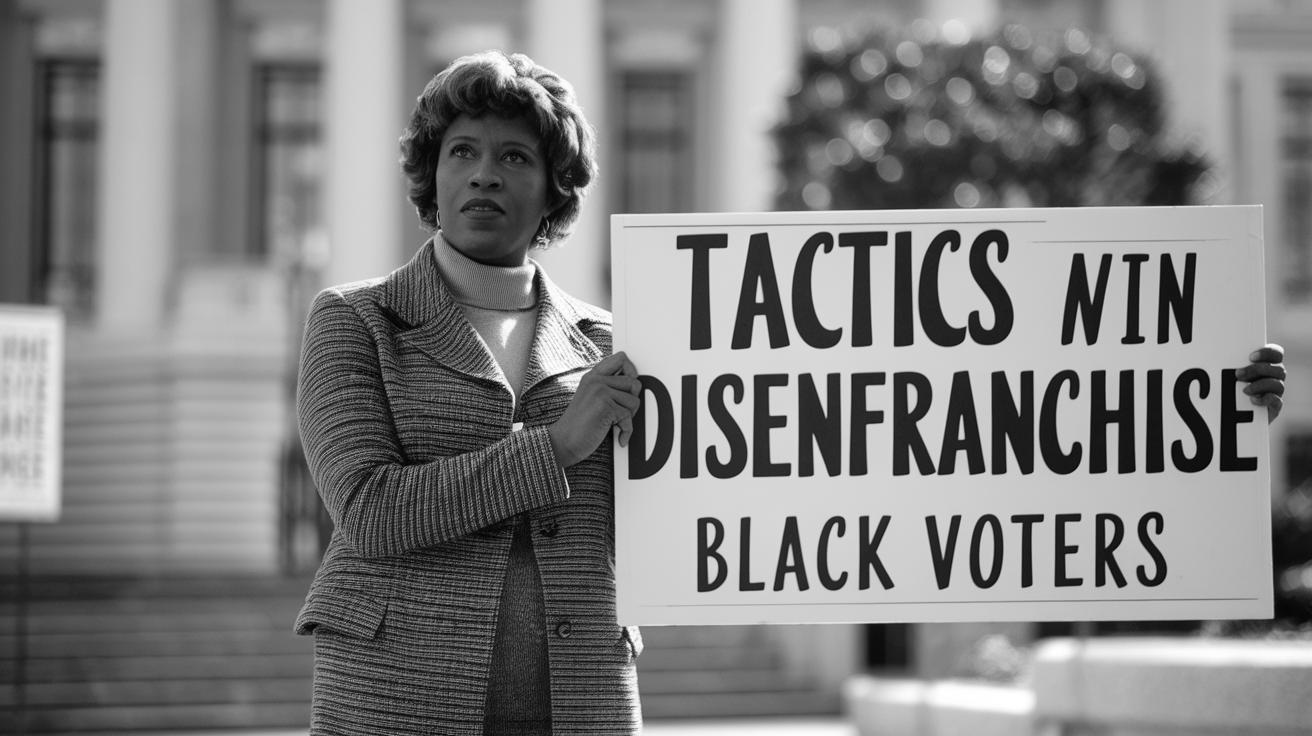
The journey toward equal voting rights in the United States has been fraught with numerous obstacles, particularly for Black voters. This blog post delves into the historical and contemporary tactics used to disenfranchise Black voters, examining not only overtly discriminatory practices but also subtler, systemic efforts that suppress this community’s electoral participation. Through an exploration of various contributing factors such as racial gerrymandering, voter ID laws, lack of access to polling stations, and insufficient civic education, this post highlights the pervasive and multifaceted nature of voter suppression. Additionally, we discuss the dire consequences of these tactics, including skewed election outcomes and non-representative policies, while also emphasizing ongoing efforts towards organizational support and policy changes to uplift and enfranchise Black voters.
Key Takeaways+
Understanding the profound impact of voter suppression on Black communities is essential to fostering a more equitable electoral landscape. Historically rooted tactics continue to evolve, disenfranchising Black voters through legislative and procedural means. The need for comprehensive policy reform and community engagement is paramount in combating these tactics. Organizations play a crucial role in empowering Black voters by providing resources, advocacy, and education. Addressing voter suppression’s consequences is vital for promoting democratic integrity, achieving representative policies, and healing societal divisions.
Recognizing and confronting the interconnected aspects of voter suppression provides a clearer path forward. It is through awareness, collective action, and policy interventions that we can ensure a democratic process that truly represents all citizens. Sustained efforts by both governmental bodies and grassroots movements are necessary to dismantle the structures that enable disenfranchisement.
Key Terms+
Disenfranchisement: The state of being deprived of a right or privilege, especially the right to vote.
Gerrymandering: The manipulation of electoral district boundaries for political advantage.
Voter ID Laws: Regulations requiring voters to present specific forms of identification before casting a ballot, often criticized for disproportionately affecting minority groups.
Civic Education: The provision of information and learning experiences to equip citizens with the understanding and skills necessary for informed and engaged participation in democratic processes.
These key terms lay the foundation for understanding the complex mechanisms by which Black voters have been systematically excluded from the electoral process. Each term encapsulates a significant facet of the broader issue of voter suppression, providing a framework for analyzing both historical and modern-day disenfranchisement.
Context
The disenfranchisement of Black voters in the United States is deeply rooted in the nation’s history. Post-Civil War amendments aimed to secure voting rights for African Americans, but Jim Crow laws quickly emerged to undermine these efforts. Practices such as literacy tests, poll taxes, and grandfather clauses were explicitly designed to exclude Black citizens from the voting process. Despite the Voting Rights Act of 1965, which sought to eliminate discriminatory practices, various tactics have persisted or evolved, reflecting a continuing struggle for Black enfranchisement.
Contemporary voter suppression continues to manifest through legislative and administrative actions that disproportionately impact minority communities. Understanding the historical continuity of these practices is crucial to realizing the scale and depth of disenfranchisement experienced by Black voters. This context underscores the need for ongoing vigilance and advocacy to dismantle oppressive systems within American democracy.
Contributing Factors
Racial Gerrymandering
Racial gerrymandering involves manipulating electoral district boundaries to dilute the voting power of racial minority groups, notably Black voters. This tactic often ensures that their influence in elections is minimized, maintaining political control for the dominant party. Several court cases have challenged racial gerrymandering, highlighting its unconstitutional nature and the threat it poses to a fair democratic process.
By spreading Black voters across multiple districts or concentrating them in one, gerrymandering diminishes their collective electoral power. Reform advocates call for independent commissions to draw district lines, advocating for transparency and fairness in the redistricting process as a way to combat these manipulative practices.
Voting Regulations for Imprisoned Persons
Another significant factor in Black voter disenfranchisement is the regulation of voting rights for imprisoned individuals. The disproportionate incarceration rates of Black Americans mean that voting regulations affecting this population have an outsized impact on their communities. Many states continue to disenfranchise individuals with felony convictions, perpetuating systemic exclusion from the democratic process.
Advocacy efforts aim to restore voting rights to formerly incarcerated individuals, stressing that civic engagement is a critical component of reintegration. Highlighting the racial biases inherent in the criminal justice system is essential to addressing this facet of voter suppression.
Lack of Access to Polling Locations and Voting Methods
The reduction of polling locations and restrictive voting methods exacerbate voter suppression among Black communities. In many areas, polling places have been strategically eliminated or relocated to make voting less accessible for minority populations. These actions create long lines, extended wait times, and logistical challenges that dissuade participation.
Expanding access through early voting, mail-in voting, and adequate polling locations is crucial to ensuring that all voters can exercise their right without unnecessary barriers. Advocacy for equitable resource distribution and voting infrastructure is integral to countering these suppressive strategies.
Voter ID Laws
Voter ID laws have been criticized for disproportionately affecting Black voters and other minority groups. These laws often require specific forms of identification that are less accessible to marginalized communities, thus serving as a barrier to participation. While proponents argue they prevent fraud, evidence suggests that voter impersonation is exceedingly rare.
Legal challenges and advocacy against restrictive ID laws emphasize the need for policies that prioritize accessibility and fairness in the voting process. Ensuring that all citizens have the means to obtain necessary identification is a step towards equitable voter participation.
Lack of Civic Education
Civic education plays a vital role in empowering voters to understand and participate in the democratic process. However, inadequate education systems disproportionately impact Black communities, limiting awareness of voting rights and procedures. This lack of information can lead to lower voter turnout and engagement.
Strengthening civic education and providing accessible resources are crucial to fostering informed citizens. Community-based initiatives and educational reform efforts are essential strategies to bridge this knowledge gap and empower all voters.
Consequences
Swayed Election Outcomes
The disenfranchisement of Black voters can directly affect election outcomes by skewing results in favor of those who implement suppressive measures. When significant portions of the population are systematically excluded from voting, election results do not accurately reflect the will of the people, undermining the principles of democracy.
Addressing these outcomes requires both legal action to challenge unfair practices and grassroots efforts to ensure marginalized voices are heard. Broadening participation is key to achieving fairer and more representative electoral outcomes.
Non-Representative Policy
Policies that do not reflect the diverse needs and perspectives of all citizens result from disproportionate political representation. When certain groups, such as Black voters, are marginalized in the electoral process, policies are often shaped without their input, leading to systemic inequalities.
Ensuring representative policies necessitates inclusive participation in the political process and efforts to remove barriers to voting. Only by reflecting the true diversity of the electorate can policies equitably address the needs of all citizens.
Racial Tensions in the US Political Divide
Voter suppression efforts contribute to wider racial tensions and deepen political divides in the United States. Disenfranchisement exacerbates existing inequalities and perpetuates social and political friction, creating an adversarial climate that hinders progress towards racial equity.
Addressing these tensions involves fostering dialogue, understanding, and collaboration across diverse communities. Healing the political divide requires confronting the underlying issues of racism and working towards inclusive and equitable electoral participation for all.
Practices
Organizational Support for Black Voters
Organizations play a pivotal role in supporting Black voters by conducting outreach, providing resources, and advocating for policy reforms. Groups like the NAACP, Black Voters Matter, and numerous grassroots initiatives focus on increasing voter registration, education, and turnout among Black communities.
These organizations work tirelessly to empower Black voters, emphasizing the importance of civic engagement and representation. By creating spaces for dialogue and action, they contribute significantly to the fight against voter suppression and the advancement of democratic rights.
Policy Change
Legislative and policy changes are crucial to dismantling systemic barriers to voting for Black Americans. Advocates push for reforms such as the restoration of the Voting Rights Act provisions, the implementation of fair redistricting practices, and broader access to voting methods.
Policymakers, activists, and communities must collaborate to generate meaningful changes that guarantee fair and equal access to the ballot. Through persistent advocacy and legislative action, it is possible to build a more inclusive and representative democracy.
Lessons Learned
| Aspect | Summary |
|---|---|
| Key Factors | Racial gerrymandering, restrictive voting laws, lack of access, and insufficient civic education all contribute to Black voter disenfranchisement. |
| Consequences | Suppression tactics skew election outcomes, result in non-representative policies, and amplify racial tensions. |
| Efforts and Approaches | Organizational support and policy changes are crucial to addressing disenfranchisement and promoting electoral equity. |